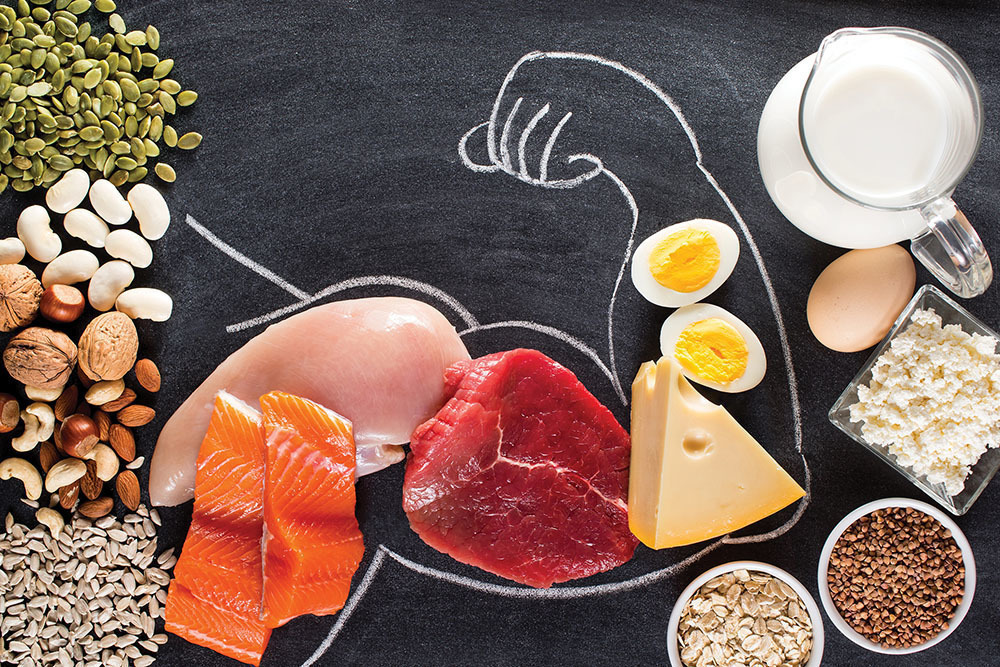
Fortification is the practice of deliberately adding ingredients to foods that would not naturally occur with the intent to increase their nutritional quality and provide health benefits with minimal risk. In this article, we will explore nutrient-enhanced foods, examine benefits and risks of nutrient-enhanced foods, and provide practical guidance on how to effectively incorporate nutrient-enhanced foods.
UNDERSTANDING NUTRIENT-ENHANCED FOODS
Fortified foods include both micronutrients, like vitamins and minerals, and macronutrients, such as proteins, fats, and carbohydrates. Micronutrient fortification in Canada is strictly regulated by Health Canada to ensure safety and efficacy. Canada has a long history of fortification to address micronutrient deficiencies.
Nutrient-enhanced foods can be easily achieved in a home or institutional kitchen by incorporating common nutrient-dense ingredients into everyday meals. Creating nutrient-enhanced foods involves reimagining common ingredients, such as incorporating beans or lentils into sauces and dips or blending vegetables like spinach or kale into smoothies and baked goods, and exploring alternative ingredient pairings, like using Greek yogurt or avocado as a substitute for sour cream or mayonnaise.
THE ROLE OF NUTRIENT-ENHANCED FOODS
Nutrient-enhanced foods are a valuable tool that can be used to address specific needs in various individuals and populations.
Certain groups, such as the elderly, children, and athletes, often have unique nutritional requirements that standard diets may not sufficiently meet. Situational needs for enhanced nutrition also highlight the importance of nutrientenhanced foods. Individuals recovering from illness or surgery, pregnant women, children, and teenagers experiencing growth spurts may require additional nutrients.
WHEN TO UTILIZE NUTRIENT-ENHANCED FOODS
When considering the incorporation of nutrient-enhanced foods into one’s diet, it is crucial to address unmet nutritional needs effectively. Nutrient-enhanced foods can serve as valuable tools in meeting specific dietary requirements, provided they are utilized appropriately.
Individuals may benefit from nutrient-dense foods if they have increased nutrient needs. Certain life stages or situations require higher nutrient intake. For example, older adults, pregnancy, lactation, childhood growth spurts, athletic training, recovery from illness or surgery, or wound healing demand additional nutrients to support optimal health and development. Nutrient-dense foods can help bridge the gap between nutrient requirements and dietary intake during these critical periods.
People with restricted intake due to medical conditions or personal reasons may also find nutrient-enhanced foods beneficial. Those following restrictive diets, such as individuals with allergies, intolerances, gastrointestinal disorders, or dietary preferences like vegetarianism or veganism, may result in limited variety or quantity of food options. Nutrient-enhanced foods can help ensure adequate nutrient intake and prevent deficiencies in these populations.
Additionally, individuals experiencing unintended weight loss or at risk of malnutrition due to illness, aging, or other factors can benefit from nutrient-enhanced foods. These foods provide a convenient and effective means of boosting calorie and nutrient intake to support healthy weight maintenance and prevent nutrient deficiencies.
By identifying individuals who may benefit and selecting appropriate nutrient-dense foods, dietary intake can be enhanced to support overall health and well-being.
BENEFITS AND RISKS OF NUTRIENT-ENHANCED FOODS
BENEFITS
Focus on Food First: Emphasizing foods ensures a diverse array of nutrients, phytochemicals, and dietary fibers that work synergistically to promote optimal health and well-being.
Cost-Effective: Preparing nutrient-enhanced foods can be more economical than buying commercial products, offering a budget-friendly option for enhanced nutrition.
Improved Taste and Texture: Custom recipes enable flexibility in flavour and texture, making meals more enjoyable while enhancing nutritional value.
RISKS
Importance of Maintaining Variety: Over-reliance on nutrient-enhanced foods might reduce dietary variety. While nutrient-enhanced foods are beneficial, it’s essential to maintain a diverse diet that includes a range of whole food sources to ensure comprehensive nutrition.
Need for Accurate Measurement: Proper understanding of nutrient content is crucial to ensure balanced nutrition.
By understanding and managing these benefits and risks, nutrition managers can effectively incorporate nutrient-enhanced foods into meal plans, promoting optimal health outcomes.
PRACTICAL STRATEGIES FOR CUSTOM NUTRIENT-ENHANCED MEALS
IDENTIFYING NUTRIENT GAPS
To effectively identify nutrient gaps, begin by broadly evaluating the population served, considering demographic factors such as age, activity level, and prevalent health conditions. This evaluation helps pinpoint groups with higher nutrient needs, such as older adults, growing children, athletes, or individuals recovering from illness or surgery. Additionally, regular review of menu offerings is crucial. By scrutinizing the variety and nutritional content of the meals provided, potential nutrient voids can be identified. This comprehensive assessment ensures that the dietary needs of the entire population are met, fostering better health outcomes.
ADDRESS NUTRIENT GAPS
The following are common foods that can be used to create nutrient-dense foods:
- Avocado is rich in healthy monounsaturated fats and provides a significant number of calories. It is also a good source of fiber, vitamins, and minerals, such as vitamin K, folate, and potassium. Incorporating avocado into meals adds creaminess, flavour, and nutritional value.
- Eggs are a nutrient-dense, cost-effective food that provide high-quality protein, vitamins, and minerals. They are particularly rich in choline, lutein, and zeaxanthin, which are essential for brain health and eye health. Eggs are also versatile ingredients that can be used in various recipes to enhance flavour, texture, and nutritional value.
- Full-fat dairy products like cream, butter, yogurts, and cheeses are rich in essential nutrients such as calcium, vitamin D, and vitamin A. These dairy products also provide a significant source of energy due to their higher fat content while also enhancing the flavour and texture of their meals.
- Legumes (beans and lentils) are cost-efficient nutrient-rich sources of plant-based protein, fiber, vitamins, and minerals. They are also low in fat and cholesterol-free, making them a heart-healthy alternative to animal protein. Incorporating legumes into meals adds texture, flavour, and nutritional value, making them an excellent choice to increase protein and fiber intake and reduce the intake of saturated fat.
- Nut butters are high in calories and provide healthy fats, protein, and some vitamins. Nut butters are also versatile ingredients that can be used in various recipes, such as smoothies, sandwiches, and baked goods.
- Nuts and seeds are calorie-dense due to their healthy fats and protein. Additionally, nuts and seeds are rich in essential nutrients such as omega-3 fatty acids, vitamin E, and magnesium. Incorporating nuts and seeds into meals and snacks adds nutritional value.
- Oils are calorie-dense because of their fat content. Oils rich in hearthealthy fats, such as monounsaturated fats found in olive or canola oil, and polyunsaturated fats found in peanut, soybean, or sunflower oil, can help reduce the risk of heart disease. Additionally, oils are versatile ingredients that can be used in various cooking methods, such as sautéing, roasting, and dressing.
- Quinoa is a high-calorie grain that’s nutrient dense, providing complete protein, fiber, vitamins, and minerals. It is also gluten-free and easy to digest, making it suitable for individuals with gluten sensitivity or digestive issues. Incorporating quinoa into baked goods adds texture, flavour, and nutritional value. • Skim milk powder is a convenient source of high-quality protein and essential nutrients, such as calcium, vitamin D, and potassium. Adding skim milk powder to various dishes boosts their protein content and nutritional value.
CONCLUSION
In conclusion, nutrient-enhanced foods stand as a pivotal strategy adeptly addressing specific nutrient needs or nutritional requirements. They provide a tailored approach to nourishment, offering an opportunity to optimize health outcomes and meet individual dietary goals effectively.
However, like any intervention, the application of nutrient-enhanced meals requires careful consideration, as there are both benefits, and potential risks involved. It’s essential to strike a balance between fortification and maintaining dietary diversity, ensuring that nutrient enhancement complements overall dietary patterns without compromising nutritional integrity.
COMMON TECHNIQUES TO CREATE NUTRIENT-DENSE FOODS
1. Incorporating Nutrient-Dense Ingredients: Use legumes, whole grains, avocado, nuts, seeds, nut butters, or eggs.
2. Incorporate Caloric-Dense Ingredients: Utilize full-fat dairy, cream, oils, butter, and avocado.
3. Incorporate Protein-Dense Ingredients: Increase the protein content by incorporating protein-rich ingredients, such as skim milk powder, nuts, seeds, nut butters, or Greek yogurt.
RECIPE IDEAS AND EXAMPLES
- Fortified oatmeal: Prepare oatmeal with high-fat dairy. Add skim milk powder, nuts, or nut butter, and dried fruit to create a protein- and energy-rich breakfast option.
- Nutrient-boosted soups: Enhance soups with legumes, quinoa, oils, or cream to increase both the nutritional content and flavour profile.
- Nutrient-dense mashed potatoes: Create mashed potatoes supplemented with cream, butter, skim milk powder, and cheese for a nutrient-rich side dish.
- Utilize lentils or beans: Incorporate lentils or beans into savoury dishes like soup, meatloaf, or meatballs, as well as sweet treats like brownies, to boost flavour and nutritional value.
- Creative baking: Incorporate avocado, quinoa, nuts, seeds, or nut butters into baked goods to increase their nutritional value.
Nutrition managers are leaders within kitchens, orchestrating the enhancement of nutritional quality in meals. Their expertise and guidance are instrumental in implementing nutrient-enhanced food strategies, thereby contributing significantly to the overall health and well-being of the individuals they serve.
Kendal Cozicar is a registered dietitian who has been practicing since 2010, specializing in nutrition for older adults and healthy aging. By staying abreast of current nutrition science and trends, Kendal shares the latest and most relevant nutrition knowledge, along with practical tips for utilizing this science to help older adults optimize their nutrition and age healthily. Healthy aging encompasses disease prevention or management, preserving independence and physical ability, maintaining quality of life, and enhancing longevity. For more information, visit www.kendalrd.com or follow along on social media.
REFERENCES
1. Food Fortification. World Health Organization (WHO). www.who.int/health-topics/foodfortification#tab=tab_1
2. Institute of Medicine (US) Committee on Use of Dietary Reference Intakes in Nutrition Labeling. Dietary Reference Intakes: Guiding Principles for Nutrition Labeling and Fortification. Washington (DC): National Academies Press (US); 2003. 3, Overview of Food Fortification in the United States and Canada. www.ncbi.nlm.nih.gov/books/NBK208880/
3. Fortified foods: About fortification. Health Canada. www.canada.ca/en/health-canada/services/fortified-food.html
4. Geny A, Petitjean M, Van Wymelbeke-Delannoy V, Sulmont-Rossé C. Impact of food-based fortification on nutritional outcomes and acceptability in older adults: systematic literature review. Frontiers in Nutrition. 2023 Oct 27;10:1232502. doi: 10.3389/fnut.2023.1232502. PMID: 37964932; PMCID: PMC10641731.
5. Volkert D, Beck AM, Cederholm T, Cruz-Jentoft A, Goisser S, Hooper L, Kiesswetter E, Maggio M, Raynaud-Simon A, Sieber CC, Sobotka L, van Asselt D, Wirth R, Bischoff SC. ESPEN guideline on clinical nutrition and hydration in geriatrics. Clinical Nutrition. 2019 Feb;38(1):10-47. doi: 10.1016/j.clnu.2018.05.024. Epub 2018 Jun 18. PMID: 30005900.